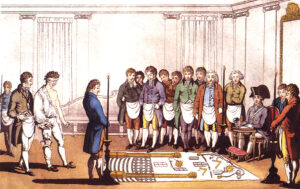
 People often describe Freemasonry through fellowship, charity, education, and personal improvement. These essential parts of the Craft help make a Lodge healthy and meaningful. At St. Andrew’s Lodge No. 560, we value all of them deeply.
Yet Freemasonry also offers something distinct: ritual.
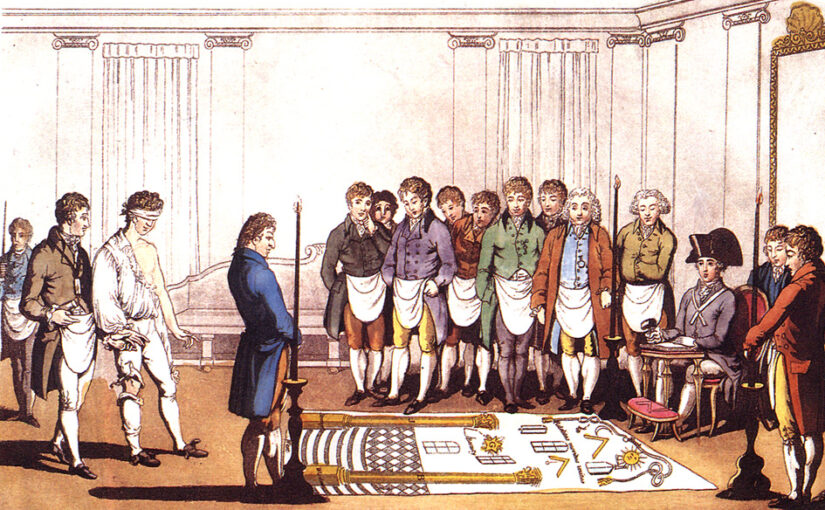
Many organizations provide fellowship. Others teach moral lessons. Still others encourage mentorship, service, and self-improvement. Freemasonry does these things too, but it transmits its teachings through ritual, symbolism, and shared experience. Rather than only explaining our lessons, we present them, enact them, and impress them upon the heart and memory of the candidate.
Why Ritual Matters
When Brethren perform ritual with care, dignity, and understanding, it becomes more than words spoken in a Lodge room. Through ritual, we create an atmosphere. Our work gives shape to our values. Each degree connects a Brother to those who came before him and to those who will follow. In that setting, the lessons of Brotherly Love, Relief, and Truth become something experienced, not merely discussed.
At St. Andrew’s, we place strong emphasis on ritual because we believe it preserves much of the character of Freemasonry. Good ritual requires effort, discipline, preparation, and teamwork. It asks Brethren to give their best, not for performance or display, but for the benefit of the candidate and the Lodge as a whole.
The Four Pillars of Our Lodge
This does not mean ritual is the only thing that matters. Far from it. A strong Lodge needs balance. Grand Lodge encourages the pillars of REM: Ritual, Education, and Mentoring. At St. Andrew’s, we align ourselves with these pillars and add Fellowship as another essential part of our Lodge life. Together, Ritual, Education, Mentoring, and Fellowship form the foundation that sustains a healthy Lodge.
Ritual gives meaning. Education brings understanding. Mentoring offers guidance. Fellowship gives belonging.
Who We Are
This is who we are at St. Andrew’s. Ritual alone does not define us, but it gives Freemasonry much of its distinctive character. It helps us surround timeless teachings with beauty, symbolism, memory, and shared purpose.
When done well, ritual does not merely inform the mind. It leaves an impression.