What is Freemasonry?
Freemasonry is one of the world’s oldest and most widely recognized fraternal organizations. It brings together men who believe in moral responsibility, personal growth, brotherhood, and service to others.
At its heart, Freemasonry is a journey. It invites a man to reflect on his character, his duties, his relationship with others, and the kind of life he is trying to build. It does not claim to make a man perfect. Rather, it gives him tools, symbols, teachings, and fellowship to help him continue the work of becoming better.
Freemasonry is often described as “making good men better.” That phrase is true, but it is only the beginning. A Mason is a man who accepts that self-improvement is a lifelong labour. He walks that path beside other men who are also learning, serving, reflecting, and striving to live with greater integrity.
A Brotherhood Built on Moral Principles
Freemasonry teaches its lessons through symbols, ritual, and shared experience. Among its best-known symbols are the square and compasses, which remind Masons to act with fairness, self-discipline, and moral purpose.
Masonry encourages kindness at home, honesty in business, courtesy toward others, dependability in one’s work, compassion for those in need, and responsibility as a citizen. It recognizes that a man has duties to his family, his faith, his work, his community, and himself. Freemasonry should support those duties, not replace them.
Freemasonry and Faith
Freemasonry is not a religion, and it does not replace a man’s religious practice or personal faith. It does, however, require belief in a Supreme Being.
Men from different religious traditions may meet together in Lodge as Brothers. Freemasonry does not ask a man to change his faith. It asks him to be sincere in his belief, respectful of others, and committed to living according to moral principles.
For that reason, discussion of sectarian religion and partisan politics is not permitted in Lodge. This helps preserve harmony among men who may come from different backgrounds, traditions, and views, but who are united by shared values.
The Masonic Journey
A Mason’s journey begins with three degrees. Each degree uses ritual, symbolism, and instruction to teach important moral lessons.
These ceremonies are not performances or empty traditions. They are the method by which Freemasonry teaches. Through them, a Mason is encouraged to think deeply about his conduct, his responsibilities, his mortality, and his purpose.
The degrees invite a man to consider some of life’s great questions:
Where do I come from?
What am I doing here?
What kind of man am I becoming?
What will I leave behind?
The Lodge
A Lodge is more than a building. It is the body of men who meet together as Brothers.
The Lodge is where Freemasonry is lived. It is where men gather for ritual, instruction, fellowship, mentorship, charitable work, and the shared responsibilities of fraternal life. It is where a new Mason is supported, where officers learn to lead, and where Brethren care for one another through the different seasons of life.
At St. Andrew’s Lodge No. 560, ritual is central to our identity. We believe that good ritual work teaches discipline, respect, humility, attention, memory, and meaning. It is one of the things that distinguishes Freemasonry from ordinary clubs or associations.
Is Freemasonry a Secret Society?
Freemasonry is not a secret society. Our buildings are known, our members may identify themselves openly, and much has been written publicly about Masonic history, philosophy, and symbolism.
What Freemasonry preserves are certain private modes of recognition and the personal experience of its ceremonies. These are not kept for the sake of mystery alone, but to preserve the integrity of the Masonic journey for those who come after us.
The Wider Masonic Family
Freemasonry also includes a wider family of related bodies and organizations. After becoming a Master Mason, a Brother may choose to explore additional Masonic paths such as the Scottish Rite, York Rite, Shriners, or other concordant bodies.
These are optional. The foundation of Freemasonry remains the Craft Lodge, where a man begins his Masonic journey and where the essential lessons of the Craft are taught.
Freemasonry and Family
Freemasonry is a fraternity for men, but Masonic life often includes family, friendship, and community. Many Lodges host social, charitable, educational, and commemorative events where family members and guests are welcome.
There are also related organizations within the broader Masonic family for women and young people. These organizations share many Masonic values, including service, character, fellowship, and moral development.
Freemasonry in Ottawa
For men in Ottawa who are curious about Freemasonry, the best first step is to learn, ask questions, and get to know a Lodge.
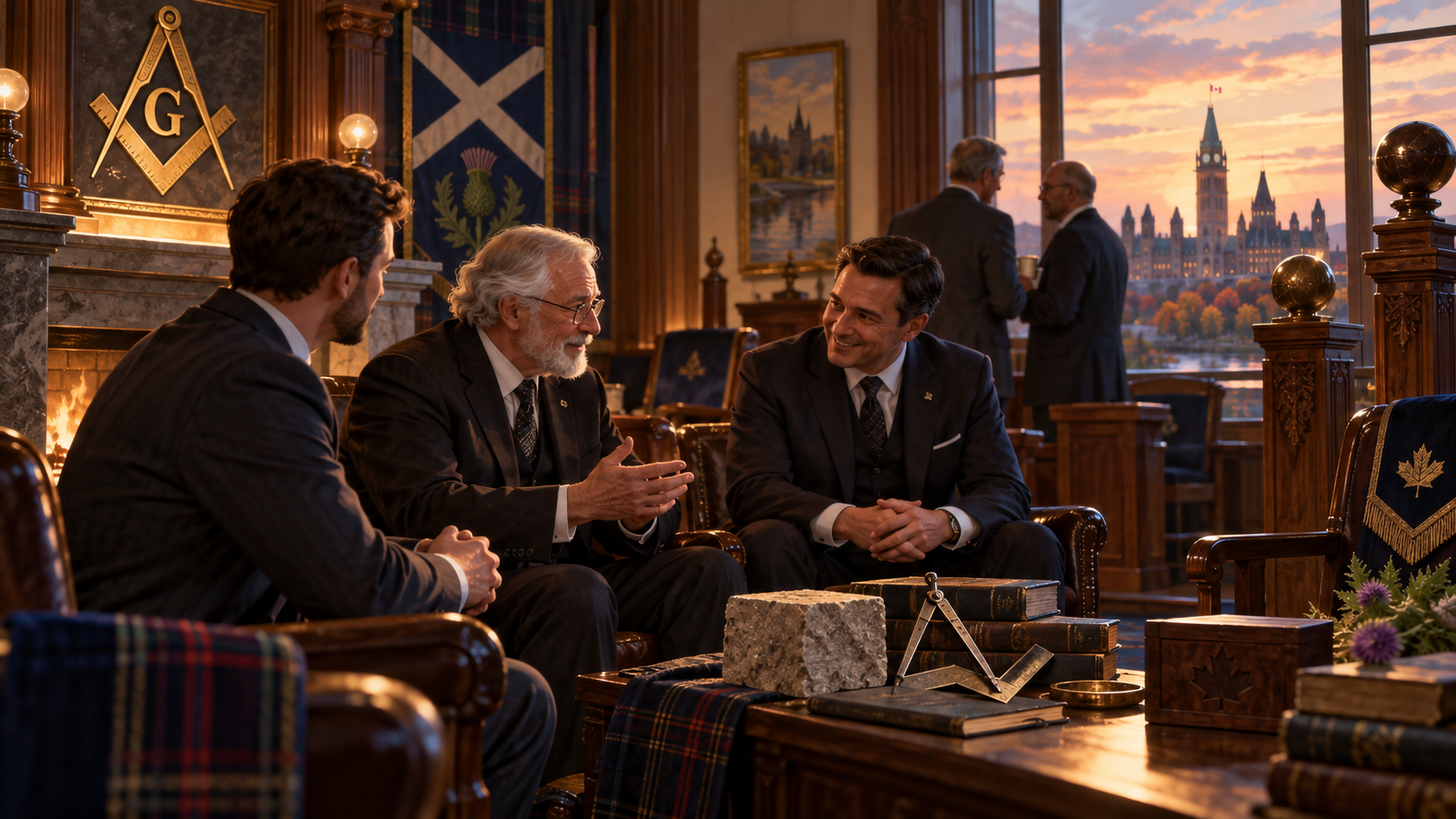
St. Andrew’s Lodge No. 560 is a Canadian Lodge with Scottish traditions. We are proudly multicultural, welcoming men from many backgrounds and walks of life, while continuing to honour the heritage passed down to us by the Brethren who founded our Lodge.
If you are seeking fellowship, moral reflection, meaningful ritual, mentorship, service, and a lifelong path of growth, Freemasonry may have something to offer you.